01
Grow for yourself
Put productive food infrastructure within steps of home.
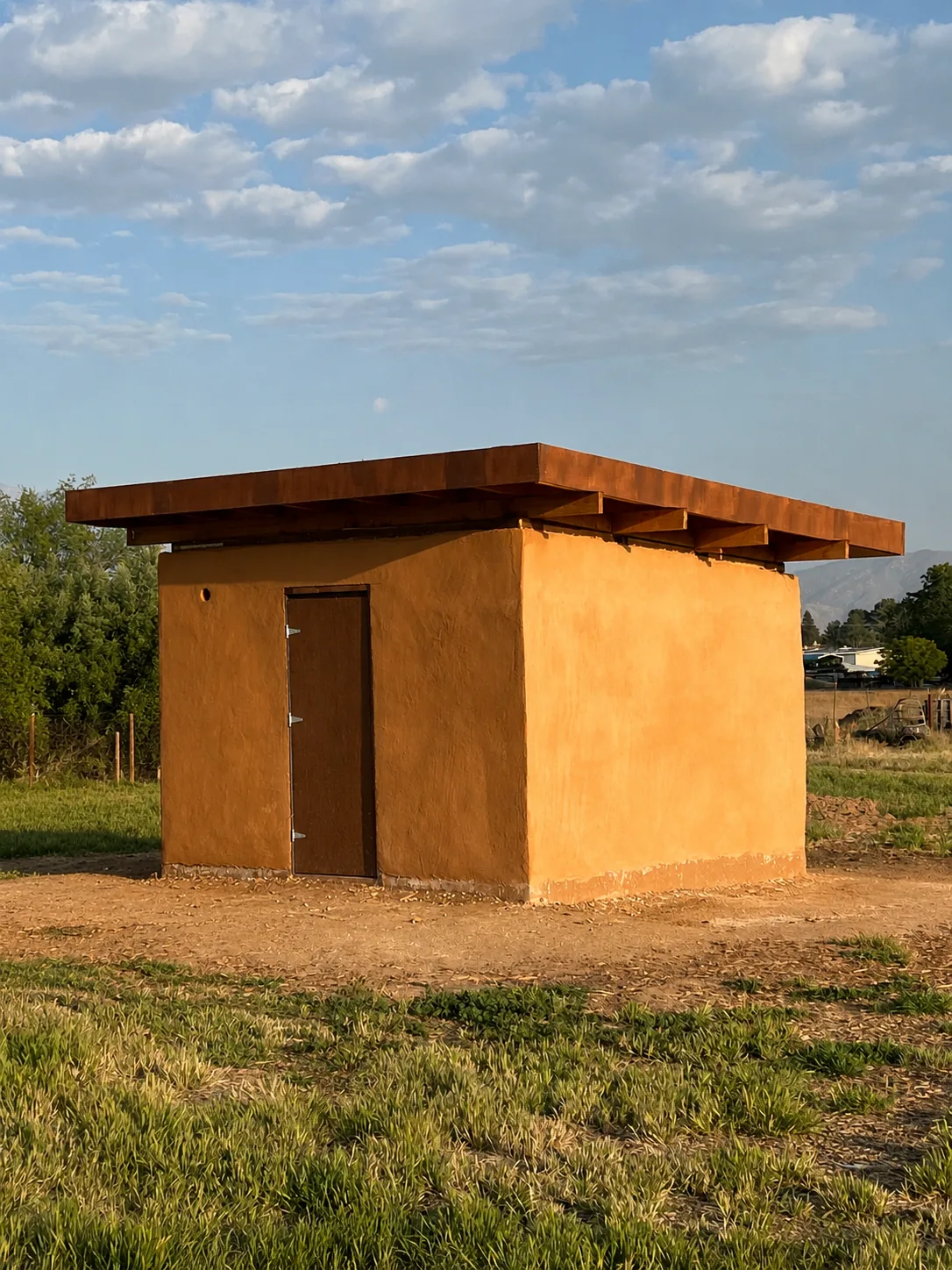
THE LITTLEST BIG FARM
A compact controlled-environment farm built to bring productive agriculture closer to the people who use it.
A FARM, REIMAGINED
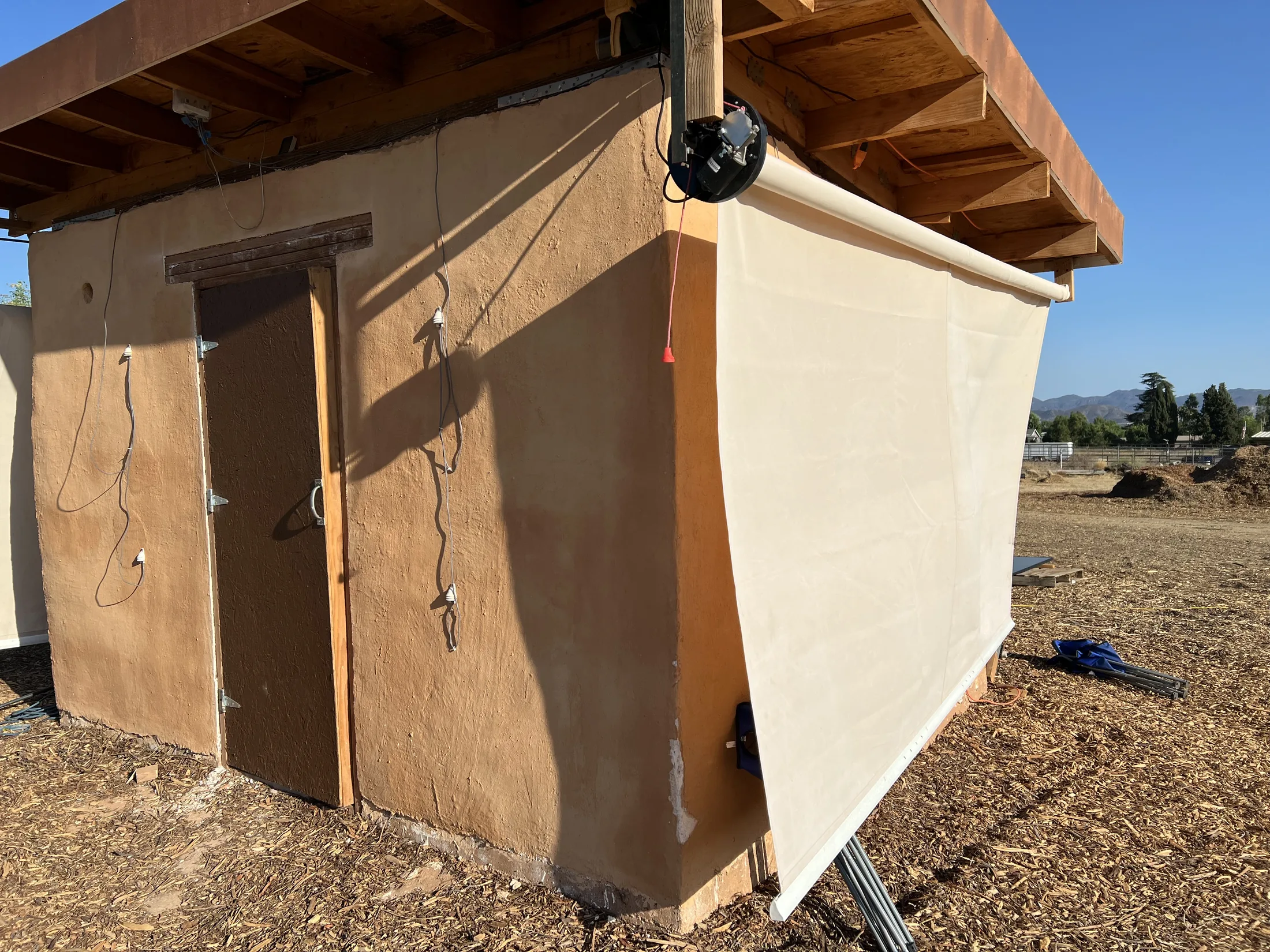
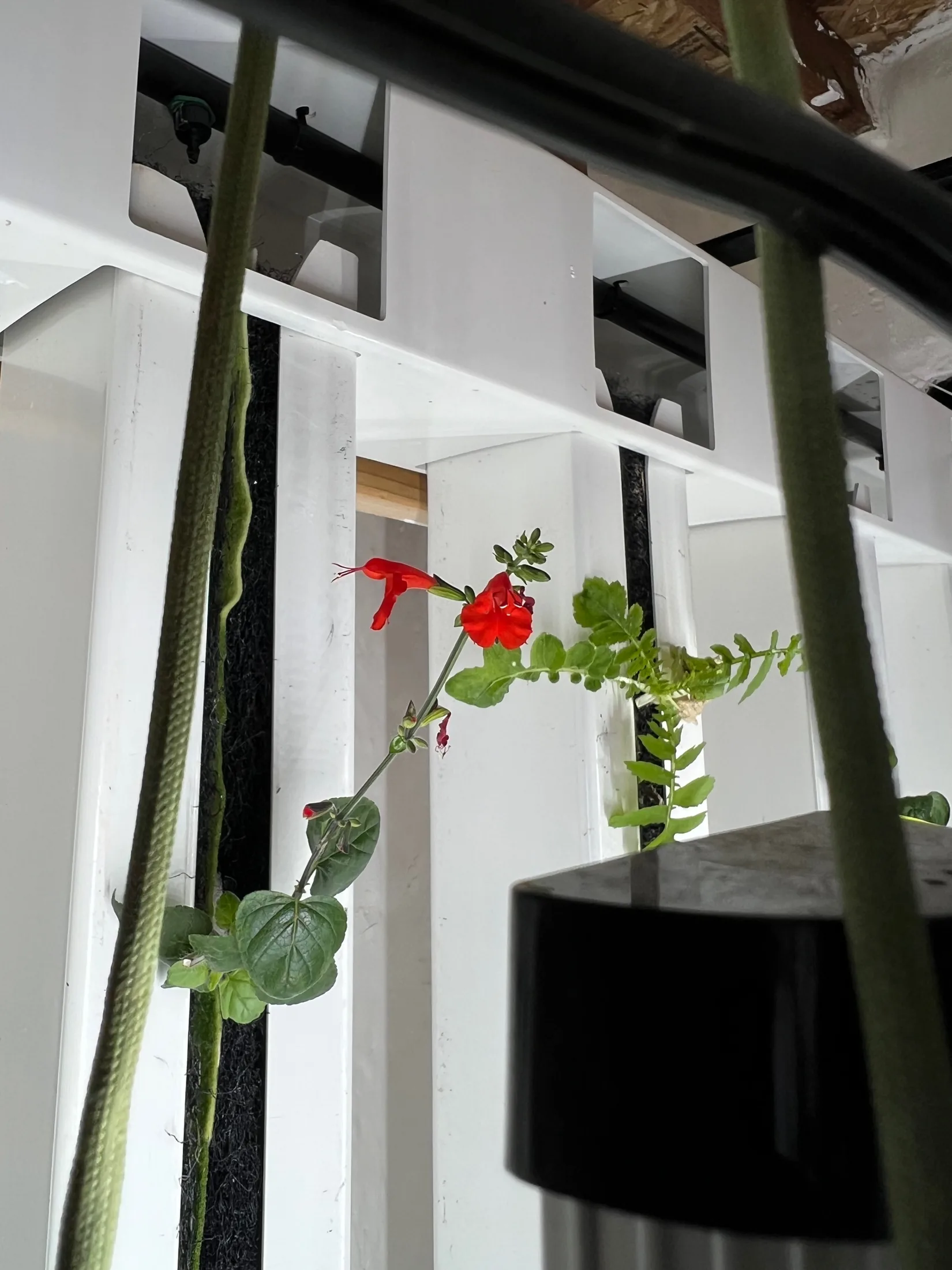
The Littlest Big Farm combines a compact footprint, vertical growing, environmental control and low-energy design in a farm meant to fit where conventional agriculture cannot.
See how it works →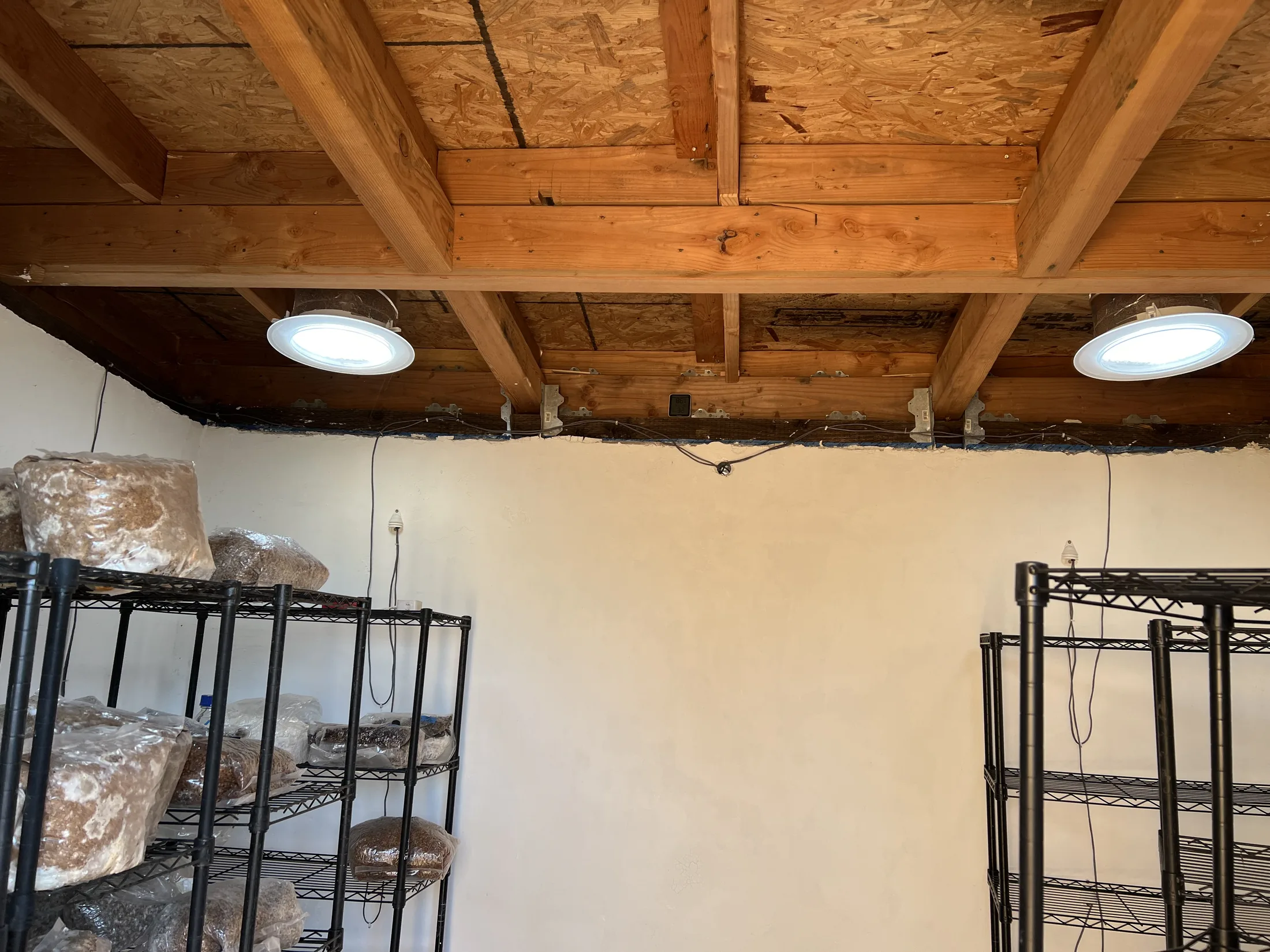
THE IDEA
Different crops need different environments. The farm is the platform: configure the growing system around what you want to produce.
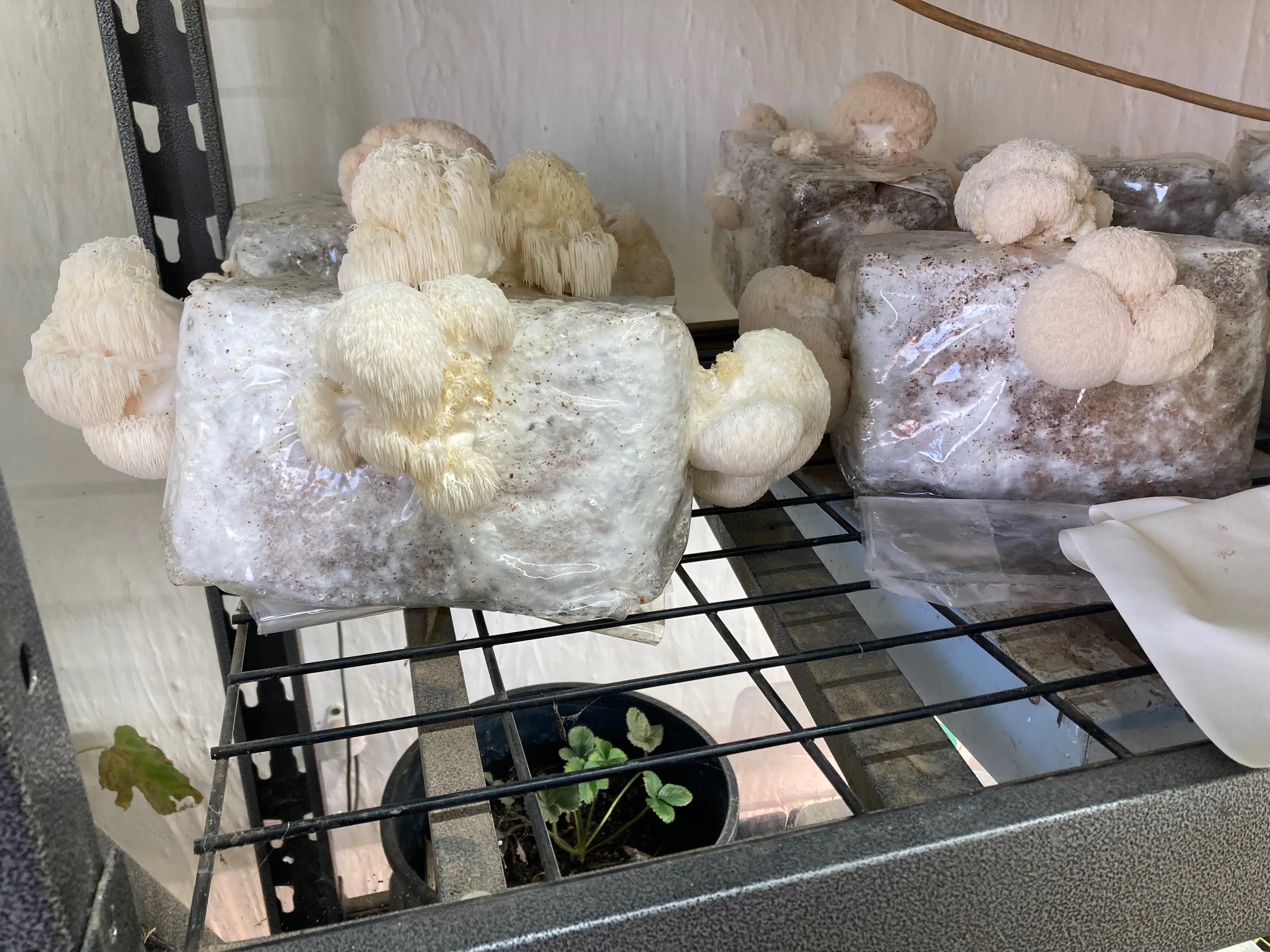
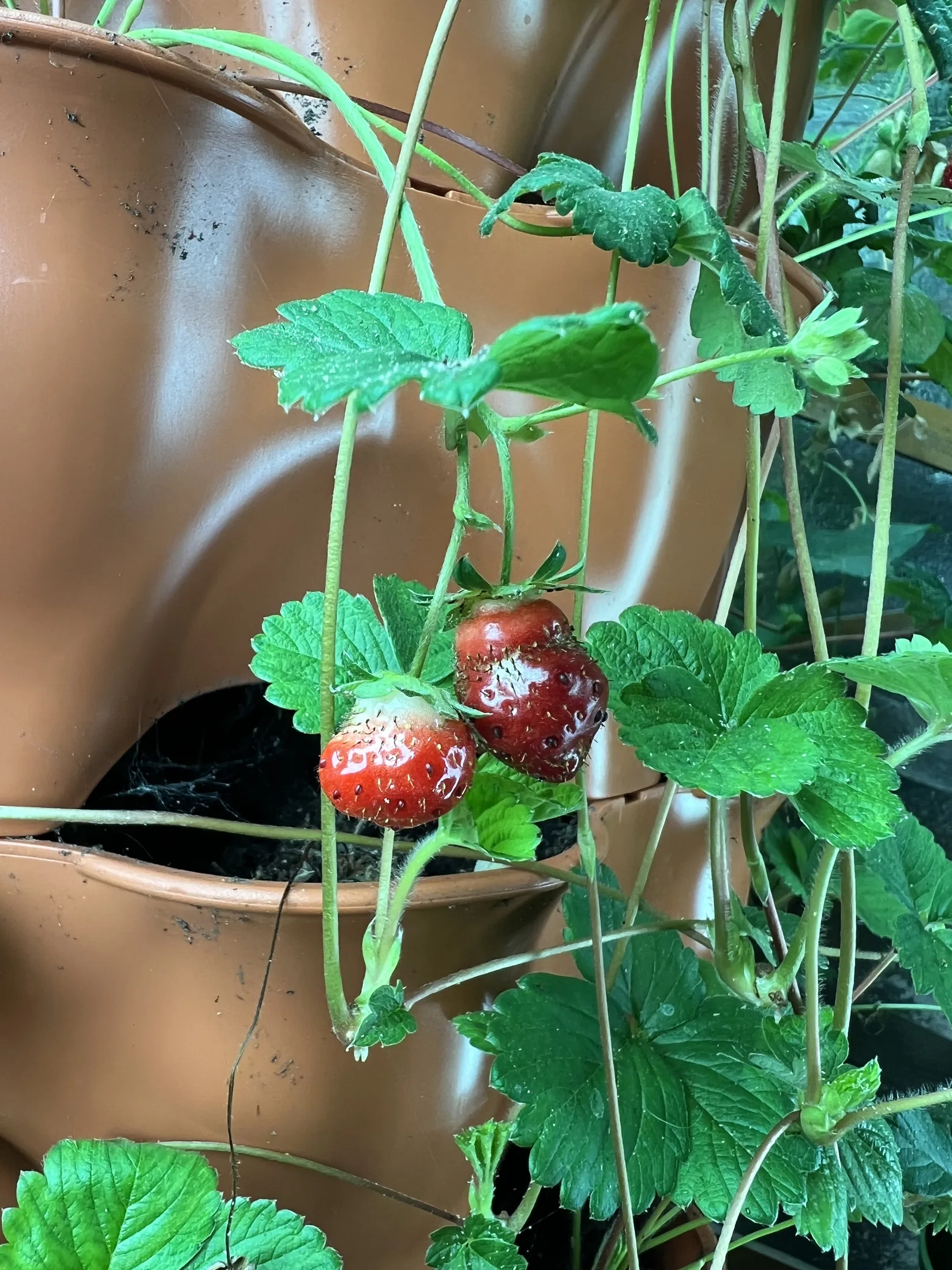
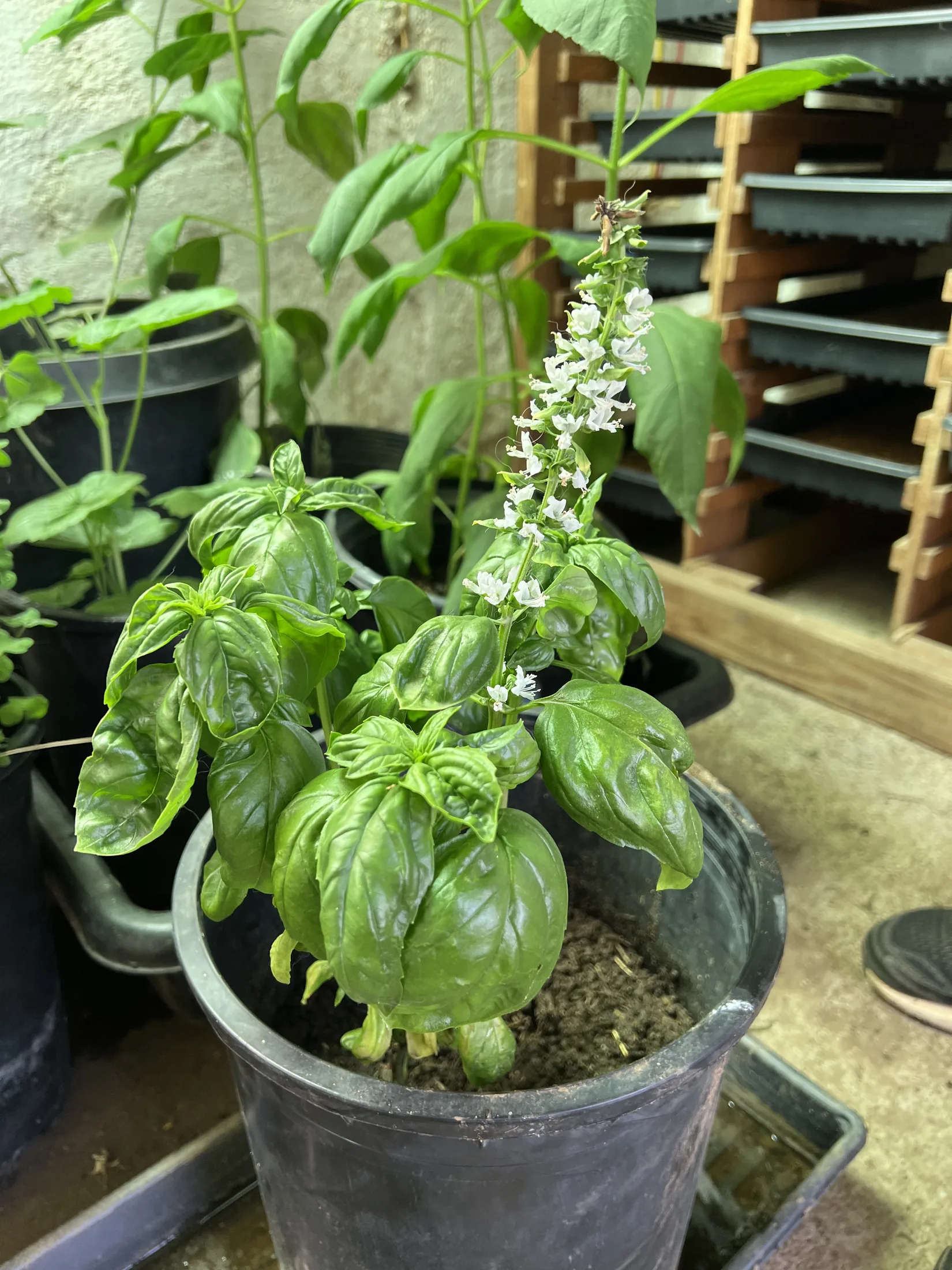
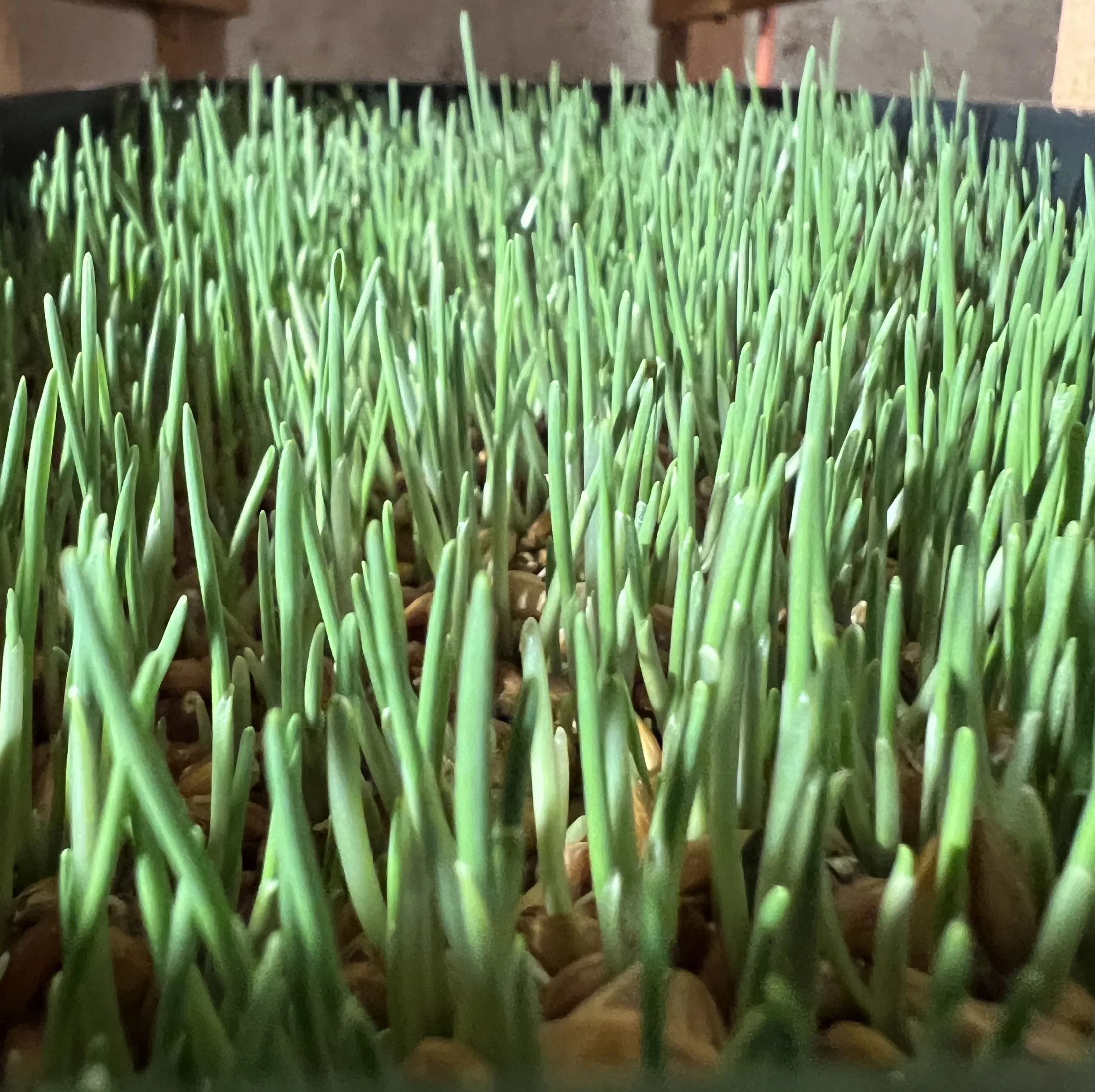
Crop suitability, yield and environmental requirements vary by crop and configuration.
THE FARM
Built around the idea that controlled-environment agriculture should be distributed, approachable and capable of operating close to where food is actually needed.
A SMALL FARM CAN STILL BE A BUSINESS
That is the opportunity we design around: specialty crops, compact production and a workload that can fit around a life—not replace it.
Explore commercial ownership →Illustrative potential, not a guarantee. Actual revenue, profit and labor requirements depend on crop selection, yields, local pricing, operating costs, market access and operator performance. A detailed economics page will show assumptions and example crop models.
ONE FARM. MANY POSSIBILITIES.
Put productive food infrastructure within steps of home.
Grow specialty crops commercially from a compact footprint.
Add local food production as a visible, useful amenity for developments and communities.
A working platform for agriculture, biology, engineering, entrepreneurship and research.
Distributed infrastructure for food resilience, workforce development and demonstration projects.
Create controlled environments for high-value crops, starts, feed systems and new production methods.
WHY WE BUILT IT
Extreme heat
Water constraints
Land costs
Pest pressure
Labor
Long supply chains
So we made the farm smaller.
From The Land is developing distributed agricultural infrastructure that can operate much closer to the people, businesses and communities it serves.
BUILT. GROWN. TESTED.
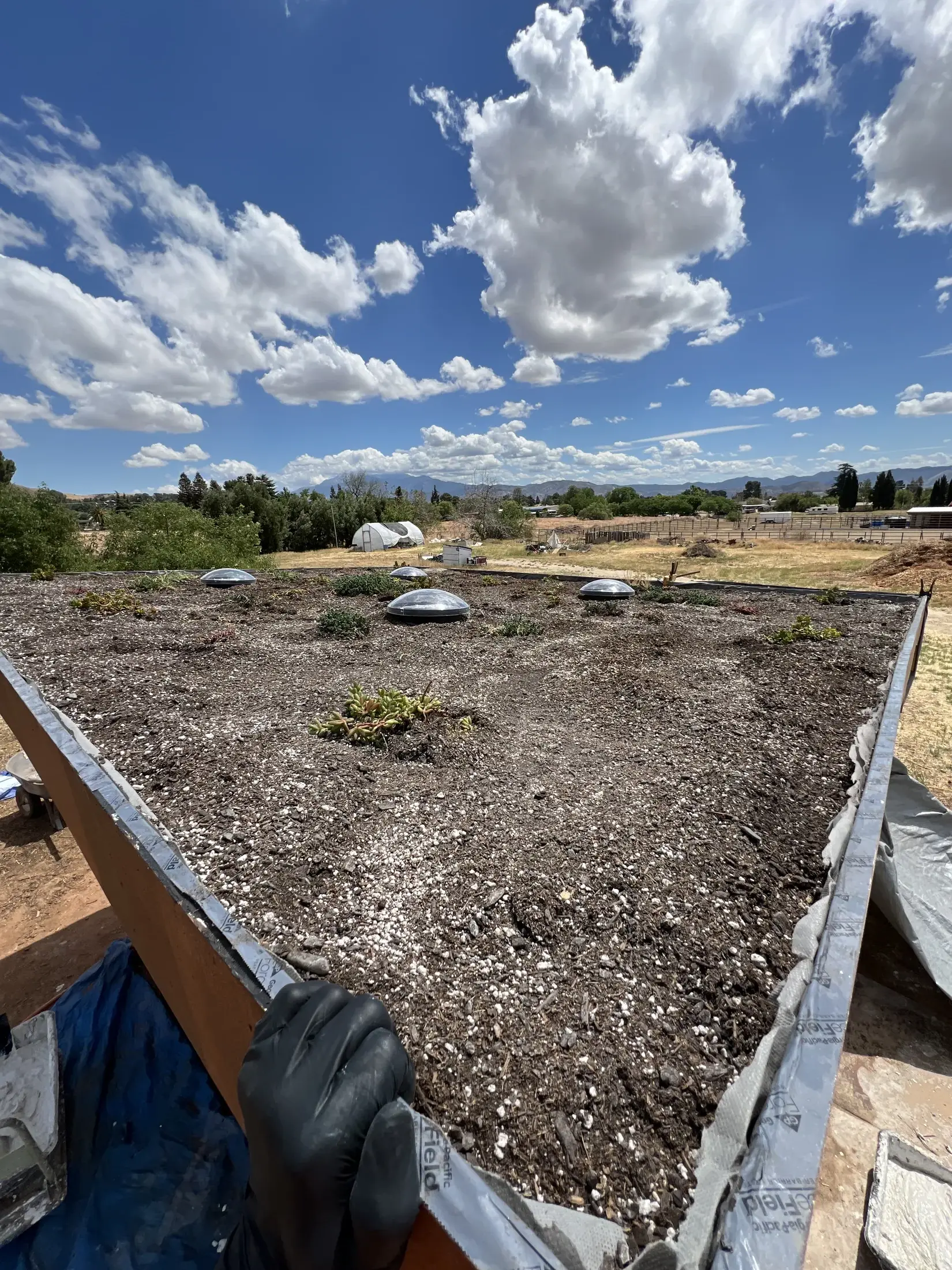
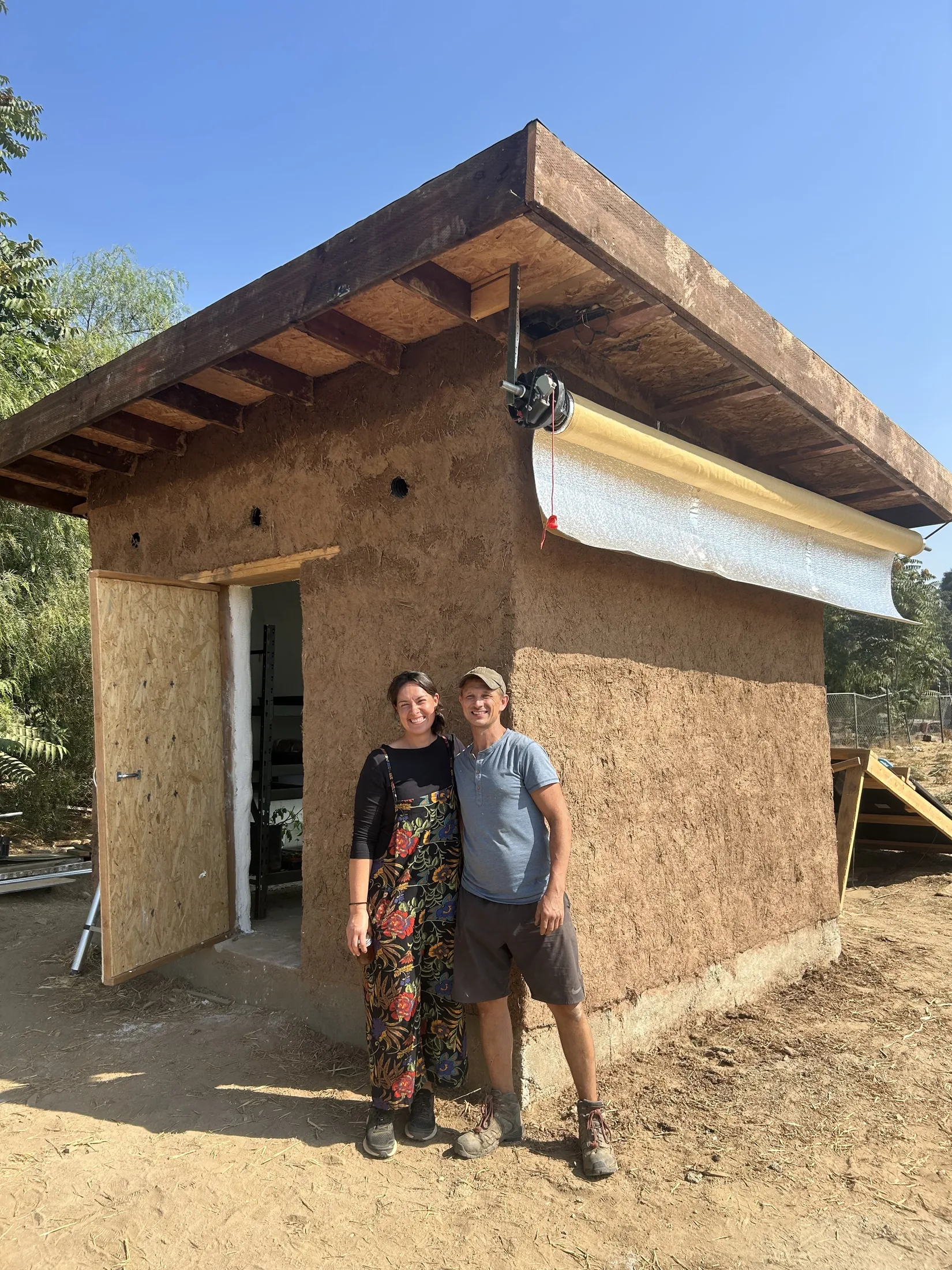
We build, grow, measure and improve in the field. The new site will document real crops, installations, research, partners and performance as the platform develops.
FROM THE LAND
From The Land builds practical controlled-environment agriculture for a future where farms can be smaller, closer and more adaptable.
We believe agriculture can become distributed infrastructure: farms at homes, businesses, developments, schools and communities—not only acres away from the people they feed.
Meet From The Land →